African Rhinoplasty – Anatomical Characteristics and Specialised Surgical Techniques

Common Anatomical Characteristics
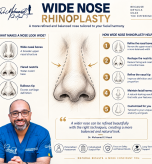
Many patients of African, Afro-Caribbean, or closely related ethnic backgrounds may share certain anatomical features, with significant individual variation between patients. These characteristics commonly include: thick skin with a dense fibrofatty layer, lower lateral cartilages of reduced rigidity or diminished structural support capacity, a wide and flat nasal tip, broad alar bases, and a low nasal bridge.
Preserving Aesthetic Identity and Function
The goal of modern ethnic rhinoplasty is not to erase ethnic characteristics, but to achieve a result that is harmonious with the patient's facial features — enhancing proportions while preserving natural traits and the individual's authentic aesthetic identity. Preservation or improvement of nasal airway function is an integral part of surgical planning.
Specialised Surgical Techniques
Due to thick overlying skin, a robust cartilage framework is required. Techniques employed include: shield grafts, columellar struts, septal extension grafts for tip projection and definition, alar base reduction via concealed incisions, and bridge augmentation with carefully planned cartilage grafts where indicated.
Managing Thick Skin
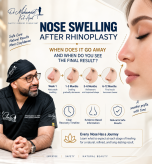
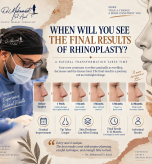
Thick skin contracts more slowly and to a lesser degree than thin skin; the final result may therefore take up to 18 months to fully manifest. Some surgeons employ localised corticosteroid injections in selected cases under careful monitoring, bearing in mind that excessive use may cause skin atrophy.
Why Does the Plan Differ Between Patients?
Treatment is based on individual anatomy, not ethnic background alone. Assessment encompasses: skin thickness, cartilage strength, alar base width, nostril shape, previous surgical history, and the patient's realistic goals.
Revision Surgery Rates
Revision rates in ethnic rhinoplasty may be higher than in some other rhinoplasty subtypes due to inherent anatomical complexity. Selecting a surgeon with documented expertise in ethnic nasal surgery significantly reduces this likelihood.
Dr. Mohamed El Assal – Expertise
Dr. Mohamed El Assal developed his expertise in ethnic rhinoplasty through specialised training with Dr. Alpaslan Yildirim and Dr. Surayya Seneldir, both recognised leaders in ethnic nasal surgery and anatomical preservation. This experience is reflected in a surgical approach where every plan is designed according to the individual patient's anatomy — prioritising preservation of natural aesthetic identity, improvement of nasal airway function, and achieving a harmonious, natural-looking result.
Frequently Asked Questions
Can an African nose be made smaller?
Yes, but the optimal goal is improved proportions and harmony while preserving natural features.
Will I lose my natural features after surgery?
Not with a specialist who designs the plan based on your individual anatomy and identity-preservation goals.
Does thick skin prevent a successful outcome?
No, but it requires a stronger cartilage framework and more time for the final result to become fully visible.
Can only the nostril width be reduced?
Yes, via Alar Base Reduction, which can be performed as a standalone procedure.
Will surgery affect my breathing?
Careful planning should preserve or improve nasal airway function — a priority in modern rhinoplasty.